Canadian LNG Industry: Unlocking Canada’s Energy Future
Canada has long been known as an energy powerhouse, but the LNG industry is emerging as one of the most important drivers of future growth. Liquefied natural gas (LNG) offers a pathway for Canada to export cleaner energy, strengthen trade ties, and support global decarbonization while creating thousands of domestic jobs. With several major projects underway, the Canadian LNG industry stands at a crossroads that could define the country’s role in the 21st-century energy economy.
Canadian LNG Industry and Global Energy Shifts
The world is undergoing a profound energy transition. Demand for coal is declining in many regions, while natural gas is increasingly seen as a bridging fuel that supports lower-carbon power generation. The Canadian LNG industry is strategically positioned to supply this demand, particularly in Asia, where countries like Japan, South Korea, and China are seeking stable, long-term energy partnerships.
Global LNG demand is projected to grow steadily through 2050, driven by industrial use and the shift away from coal. For Canada, this represents not just an export opportunity but also a chance to enhance global energy security. By supplying LNG, Canada can help allies reduce reliance on geopolitically unstable sources while advancing climate goals.
Economic Potential of the Canadian LNG Industry
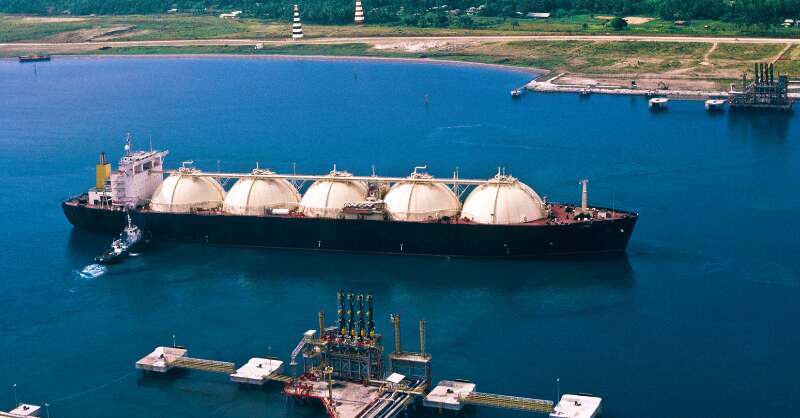
The economic case for LNG is strong. The Canadian LNG industry could generate tens of billions of dollars in investment over the next decade. Projects such as LNG Canada in Kitimat, British Columbia—the largest private-sector investment in Canadian history—are expected to create thousands of construction jobs, ongoing operations roles, and opportunities for local suppliers.
For Indigenous communities, LNG projects offer both employment and equity partnerships, strengthening long-term economic reconciliation. The industry also provides revenue streams for provincial and federal governments through royalties, corporate taxes, and trade surpluses.
If Canada captures even a modest share of the global LNG market, it could position itself as a top-five exporter worldwide, reinforcing its role as a responsible energy supplier.
Environmental Considerations and Innovation in LNG
Critics often raise concerns about the environmental footprint of LNG, including methane emissions and the lifecycle of natural gas. However, Canada’s LNG industry has the potential to set a global benchmark in sustainable production. Western Canada benefits from abundant low-carbon hydroelectricity, enabling facilities to liquefy gas with significantly lower emissions than competitors.
Innovation is also driving improvements. Companies are investing in carbon capture, electrified infrastructure, and advanced leak detection to reduce emissions across the value chain. If scaled effectively, Canadian LNG could be among the cleanest in the world, making it more attractive to buyers seeking environmentally responsible options.
LNG Trade Strategy
Canada’s LNG industry is not only about energy—it is about trade diversification. Currently, the majority of Canadian natural gas is exported to the United States. By developing LNG capacity, Canada can tap directly into global markets, reducing dependence on a single buyer and increasing national resilience.
Asian demand is particularly significant. With shorter shipping distances from Canada’s West Coast compared to U.S. Gulf Coast terminals, Canadian LNG has a logistical advantage. This strengthens Canada’s competitiveness and enhances its role in Indo-Pacific trade relations.
Future Outlook: LNG in 2050
Looking ahead, Canada’s LNG industry will be shaped by three key trends:
- Decarbonization Pressure: Global markets will increasingly demand low-emission LNG. Canada must invest in technologies that give it an environmental edge.
- Indigenous Partnerships: Indigenous ownership stakes in LNG projects will grow, aligning economic development with reconciliation.
- Geopolitical Shifts: As Europe and Asia diversify away from Russian energy, Canada’s LNG could play a stabilizing role in global energy security.
By 2050, Canada has the potential to be a major LNG supplier with one of the lowest carbon footprints in the world. Achieving this requires bold investment, policy clarity, and infrastructure development, particularly in pipelines and port facilities.
A New Kind of Energy Dominance
The Canadian LNG industry represents one of the most significant opportunities for Canada’s economy in decades. It promises job creation, Indigenous partnership, and trade diversification, while supporting global decarbonization. But seizing this opportunity requires Canada to act decisively. If successful, LNG will not only fuel Canada’s economic future but also establish the country as a trusted partner in the world’s evolving energy system.