
How to Drive Change in Canadian Public Education

Every day, we seem to be faced with headlines pointing to crises in the climate, the labour force, the healthcare system, our responses to immigration and housing needs, our lack of capacity to deal with increased polarization and disinformation, and fears about the very future of democracy.
“It may sound too simple to believe, but there are potential solutions to our social, economic, and sustainability issues in our boring old public education system.”
There is an uneasy sense that Canada is at an inflection point and that our economic and social futures depend on the next steps we take. But, instead of looking to the long game and designing integrated strategies that might provide real and lasting hope for the future, we remain stuck in short-term, compartmentalized, and one-off responses to the headline crises.
Long-term, sustainable solutions require upstream actions. It may sound too simple to believe, but there are potential solutions to our social, economic, and sustainability issues in our boring old public education system. The problem is that these solutions are about investing in the future; they’re slow to pay off and don’t deliver the sexy, quick, simplistic, and political responses we’re used to. As humans, we seem to be able to easily understand that for good health we need to focus on promotion and prevention strategies, but we appear to have a harder time believing that for good social and economic outcomes, we need the same kinds of upstream strategies and investment.
That’s where public education comes in.
The Importance of Public Education
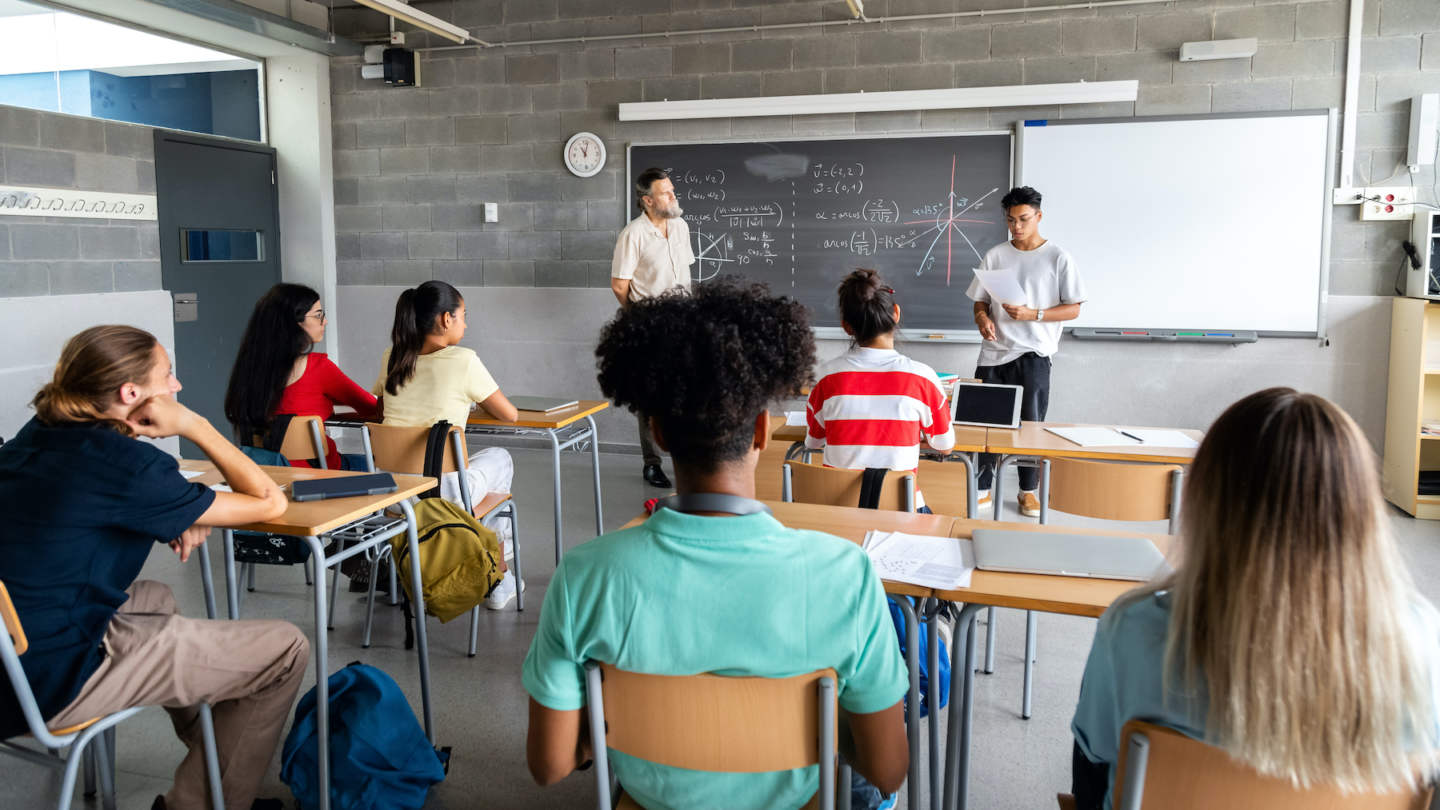
More than 90% of Canadian students attend public schools, making public education the most logical (and efficient) place to provide the upstream foundational solutions society needs.
“Public education in Canada is failing to evolve to keep pace with the economic, social, and technological transformation going on around us.”
The research is unequivocal: Effective public education is a key driver for inclusive prosperity that benefits both individuals and society. In our public schools, we have the potential to have an impact on entire new generations. Our schools are the place to ensure that all young people – and not just some, as is currently the case – develop the skills and capacities necessary for success in work and life. Individually, people with higher levels of education are more likely to live longer and healthier lives, earn more, participate in civic life by voting and volunteering, and are less likely to participate in the spread of misinformation. Socially, more highly educated countries have higher GDPs, are more equitable, have greater levels of civic participation, pay higher taxes, have lower costs for social services, and have the potential for higher levels of productivity, innovation, and global competitiveness.
But – and this is a big “but” – public education in Canada is failing to evolve to keep pace with the economic, social, and technological transformation going on around us. It is hamstrung by compartmentalization, a lack of national data, the exclusion of youth voices, and the lack of a pan-Canadian vision.
Our Canadian public schools are good, but they’re not great, and they are not living up to their world-changing potential.
How Education is Connected to Everything
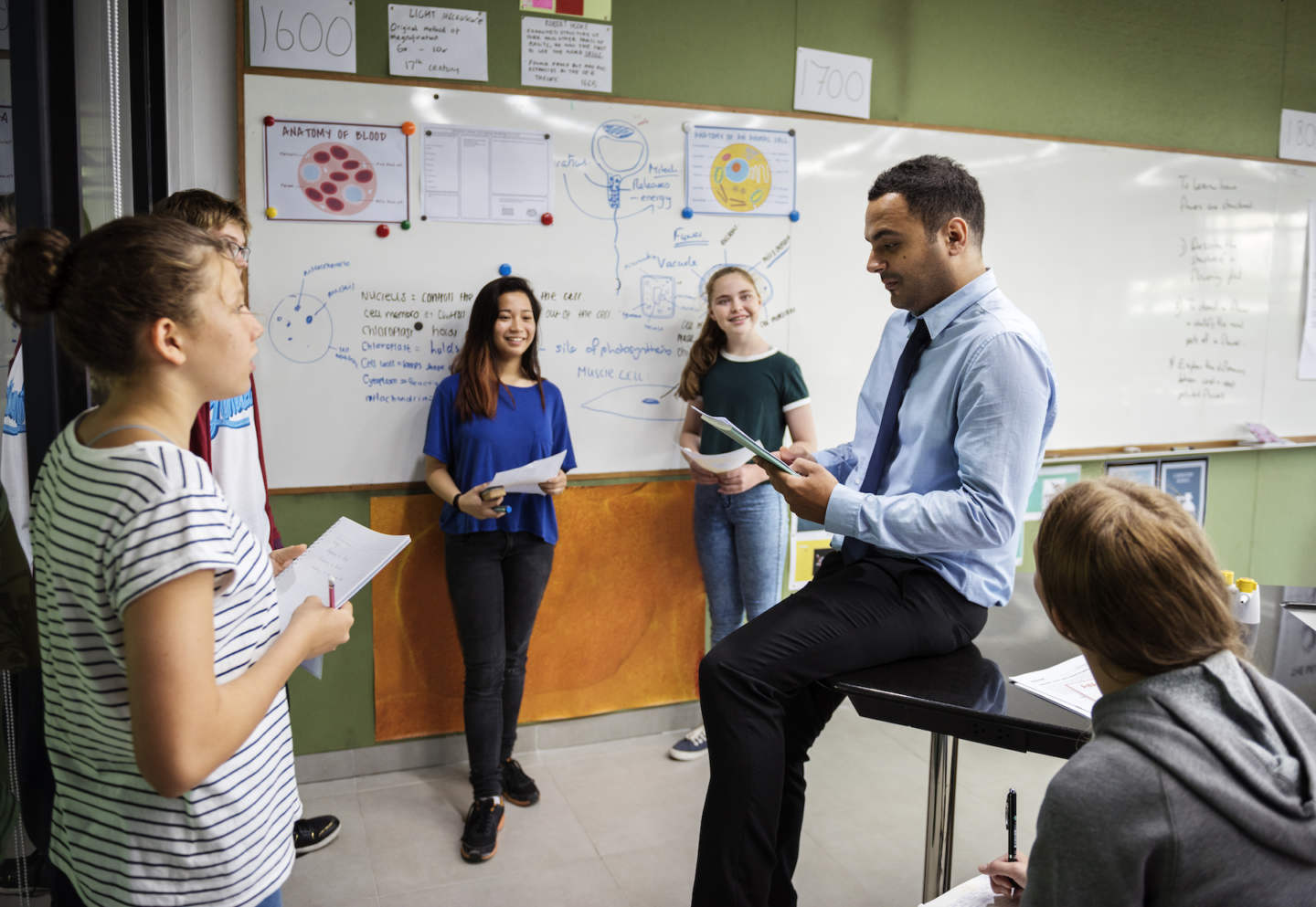
At the recent COP28 summit, world leaders agreed that education is key to addressing climate change. There is widespread consensus that the future workforce needs durable and transferable skills (ones we used to refer to as 21st-century skills) like critical thinking, collaboration, social perceptiveness, active listening, and complex problem solving – all of which take years to develop and most of which are not currently embedded into the curriculum in Canadian public schools. Investing in education saves money in healthcare, and, according to the Wellesley Institute, “leads to good health through access to more opportunities for secure employment and good income, better living conditions, and better awareness of a healthy lifestyle.” A recent UN summit described transforming education as “an urgent political imperative for our collective future” and said that education is the most effective strategy to counter inequity, polarization, misinformation, and growing distrust in our public institutions.
“The future workforce needs durable and transferable skills (ones we used to refer to as 21st-century skills) like critical thinking, collaboration, social perceptiveness, active listening, and complex problem solving.”
If we’re concerned about addressing polarization; if we want to build a society where everyone has the sense of agency necessary to participate in our democracy; if we want the next generations to be able to tell fact from fiction – our schools are the place to do it.
But – and again, this is a big but – we need to first recognize the connection between education and everything else. We need our climate advocates, business leaders, those fighting for economic equity and social justice, and our leaders in health, human rights, and immigration to look farther upstream for long-term solutions to their issues. And we need public education to break free from its silo.
How to Improve Public Education in Canada
There are communities across Canada and globally who are not “waiting for the system to change” – they’re responding to challenges by innovating locally. Let’s learn from them, show how it can be done, and inspire others to act. The result will provide proof of concept models for local, regional, and system change.
“Provinces and territories develop education policy goals in isolation, and there is no effective and transparent pan-Canadian mechanism to share data, learnings, or policy insights.”
There is power in data, information sharing, and the development of collective goals and indicators for success, but in Canada – in part because of our constitution – education is compartmentalized. Provinces and territories develop education policy goals in isolation, and there is no effective and transparent pan-Canadian mechanism to share data, learnings, or policy insights. Researchers, civil society organizations, and community leaders need to break the current logjam and develop those mechanisms externally so that we have the pan-Canadian evidence necessary to support local, regional, and national policy change.
There is strength in numbers. Potential education champions exist in many sectors, but silos and compartmentalization are getting in the way of educational change. It is time to build bridges between education and sectors like business, health, climate, poverty and equity, labour market, technology, anti-racism, and innovation. As a result, cross-sector leaders would have practical tools that provide educational answers to their sector challenges, and we will have cross-sector and pan-Canadian strategies to support change in public education.
“It’s time to amplify youth voices and youth-driven solutions for sustainable change, by integrating youth knowledge, experience, and expertise into all our dialogue about the future of public education.”
Young people are the innovators, creators, and disruptors Canada needs. For too long, children and youth have been tokenized in education. It’s time to amplify youth voices and youth-driven solutions for sustainable change, by integrating youth knowledge, experience, and expertise into all our dialogue about the future of public education.
The Future of Education in Canada
Each of these steps – learning from innovators, supporting cross-sector and cross-country learning and data-sharing, engaging champions from other sectors, and integrating youth – can allow us to build a new plan, a new purpose, and new sets of principles for public education in Canada.
These goals are big and may sound daunting, but they are doable and our future depends on it.
About the Expert
-
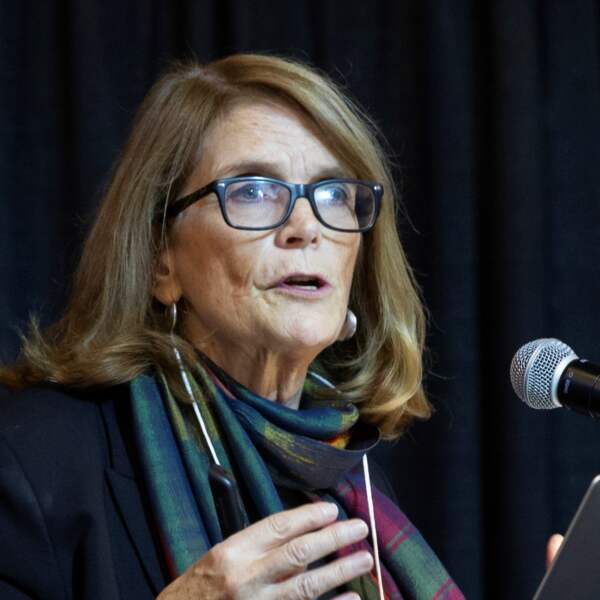
Annie Kidder is the former Executive Director and a founder of People for Education. She regularly provides advice to policymakers and government, and her writing on education has been published in a range of media. She is the recipient of numerous awards, including the Ontario Principals’ Council Outstanding Contribution to Education Award, the Canadian Teachers’ Federation Public Education Advocacy Award, and, in 2018, an honourary doctorate from York University.
See more
-
 Transforming Education: A Case for Future-Ready Learning for All
 Elka Walsh
Associate Vice President, Teaching, Learning and Digital Transformation, Education Industry
Microsoft Canada
Elka Walsh
Associate Vice President, Teaching, Learning and Digital Transformation, Education Industry
Microsoft Canada
-
 The Power of eLearning: Prospering in a Digitally-Driven Economy
 Lee Dale
CEO
Say Yeah!
Lee Dale
CEO
Say Yeah!
-
 Updating Canada’s Education System for the 21st Century
 Sharif Mahdy
CEO
Students Commission of Canada
Sharif Mahdy
CEO
Students Commission of Canada
 Stoney McCart
Co-Founder
Students Commission of Canada
Stoney McCart
Co-Founder
Students Commission of Canada