Canadian Arctic Economy: A Strategic Frontier for Growth, Sovereignty, and Innovation
Canada’s Arctic economy is entering a pivotal phase defined by warming seas, rising global demand for critical minerals, and a national push toward Indigenous-led development. As climate change lowers ice barriers and political competition intensifies in the Arctic, Canada is turning its far north into a strategic region for growth, sovereignty, and global leadership.
Enhancing Sovereignty by Investing in the Arctic
Canada’s Arctic economy is closely tied to national sovereignty efforts. Canada recently announced more than C$2.5 billion in investments to build new Arctic infrastructure hubs—including airstrips and logistics facilities—to reinforce its presence in the region.
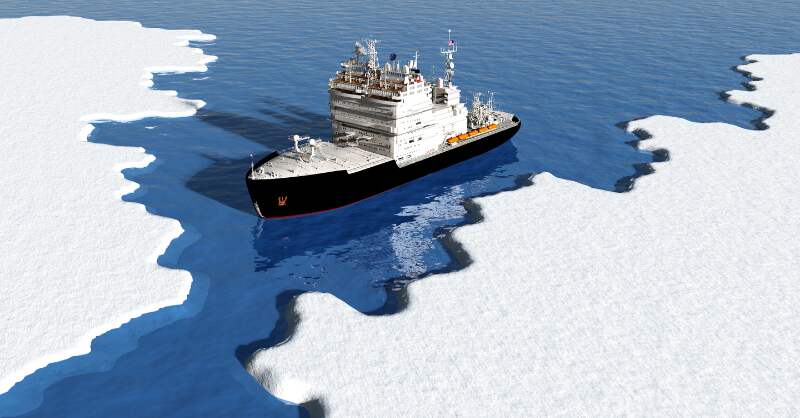
The government has also begun building its first heavy polar-class icebreaker under the Polar Icebreaker Project, with a C$3.15 billion construction contract awarded in early April 2025 and delivery expected by 2030. This new vessel is part of Canada’s broader commitment under the trilateral ICE Pact with Finland and the US, aimed at scaling up icebreaker production to safeguard shipping lanes and assert Arctic influence.
Resource, Infrastructure, and Canada’s Arctic Economy
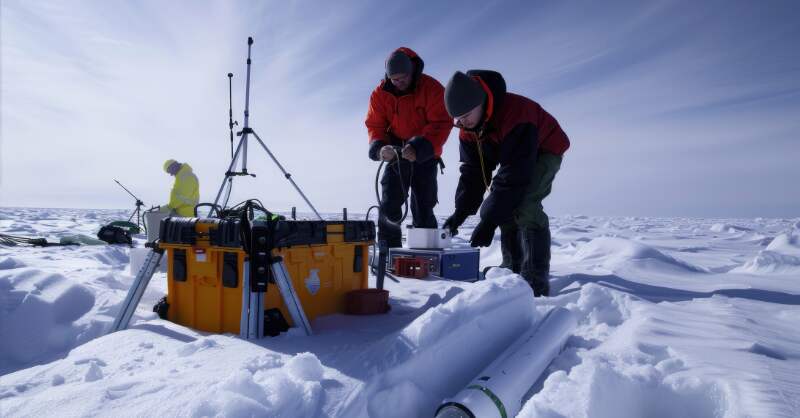
The Arctic has a long history in mining and resource extraction. Key operating assets include gold, iron ore, nickel, uranium, zinc, rare diamonds, and more in Nunavut and the Northwest Territories. Indigenous-led fossil fuel initiatives—such as the Inuvialuit Petroleum Corporation’s M‑18 gas project—have gained traction with C$100 million in federal infrastructure bank support, reflecting growing autonomy for Indigenous communities and long‑term local energy sovereignty.
Looking ahead, Canada’s Arctic economy is also seeing transformative potential from infrastructure innovation. The Canadian Northern Corridor—a proposed 7,000‑10,000 km multimodal corridor of rail, roads, pipelines, telecom, and energy transmission—is being studied as a game‑changer for inter-regional trade and resource access, with a projected cost of C$100 billion to 150 billion. If realized, this corridor would link Arctic communities to southern markets, support critical mineral exports, and catalyze job creation.
Indigenous-led Innovation in Canada’s Arctic Economy

Indigenous leadership and innovation are increasingly key to the success of Canada’s future economy, especially in the Arctic. New governance models allow groups like the Inuvialuit to directly control and benefit from development projects. The appointment of Virginia Mearns as Canada’s Arctic Ambassador, beginning September 2025, reinforces Inuit‑Crown partnership frameworks that prioritize community-led planning and economic empowerment. Simultaneously, data-driven initiatives such as the Arctic Business Index—formally endorsed by the Arctic Council’s Sustainable Development Working Group—are building capacity to track business trends, flag emerging opportunities, and elevate northern voices in economic planning.
Canada’s Climate Resilience
Canada’s Arctic economy faces a dual imperative: develop while adapting. The region is warming at four times the global average, reshaping ecosystems, infrastructure needs, and shipping environments. Infrastructure is under strain—supply chains remain underdeveloped, and aging facilities are ill-equipped for climate shocks. To address this, analysts recommend a new Arctic Development Bank to channel foreign direct investment responsibly toward Indigenous-led projects and climate-resilient infrastructure designed for northern realities.
Global Strategic Competition
The future of Canada’s Arctic economy is unfolding within a geopolitical contest. Thinner ice and new shipping routes in the Northwest Passage are attracting interest from Russia, China, and other Arctic states. Canadian military exercises such as Operation Nanook—conducted in early 2025 alongside allies—have tested Arctic readiness and underscored the region’s strategic significance. To reinforce its geopolitical stance, Canada has purchased an Over‑the‑Horizon Radar system from Australia (C$6 billion), upgraded northern military infrastructure, and revitalized Arctic diplomacy via the ICE Pact and Arctic ambassador postings.
Economic Outlook and Future Prospects
Canada’s Arctic Economy stands poised for expansion across multiple sectors:
- Critical minerals essential for green technologies are attracting investment.
- Indigenous-led energy and resource ventures are building regional self-reliance.
- Large infrastructure projects like icebreakers and multimodal corridors promise job creation and supply chain integration.
- Climate adaptation initiatives (e.g. resilient infrastructure, data-informed planning) help safeguard communities and sustain economic gains.
With strategic investments and partnerships, the North is evolving from an underutilized frontier into a growth engine, boosting national sovereignty, advancing Indigenous prosperity, and enhancing Canada’s global competitiveness.
The Future of Canada’s Arctic Economy
Canada’s Arctic has never been a backwater. It’s a cornerstone of future-oriented national policy. By aligning infrastructure, Indigenous leadership, resource stewardship, and climate resilience, Canada is turning its Arctic into a model of sustainable and strategic regional growth. Over the next decade, the region’s transformation could offer significant returns in jobs, innovation, sovereignty, and global leadership.