
The Future of Food Waste: What Canada Must Do Now
Canada must urgently shift from a patchwork of voluntary efforts to strong national policies that mandate food waste reduction and support food rescue, positioning itself as a global leader in building a more sustainable and resilient food system.

Every year, Canada wastes nearly 60% of the food it produces, amounting to 35.5 million tonnes discarded, much of it still perfectly edible. This crisis is not just an environmental disaster but an economic and moral failure. While the federal government has taken steps to address food waste through initiatives like the Food Waste Reduction Challenge, these efforts remain fragmented and lack the scale needed to tackle the problem effectively. Now is the time for Canada to lead on food waste reduction through bold policy commitments that will drive meaningful change across our food system.
The Current Landscape: A Patchwork Approach to a National Crisis

Canada has made some progress in food waste reduction, but most efforts are voluntary, leaving businesses and individuals to self-regulate. Meanwhile, local and provincial initiatives vary widely, creating an inconsistent mix of regulations and best practices that lack national coordination. Food rescue organizations are stepping up, but without dedicated infrastructure and policy support, they are fighting an uphill battle.
The core problem is simple: our economic model doesn’t reward food rescue. It remains cheaper and easier for businesses to discard surplus food than to donate it. Grocery stores, food manufacturers, and restaurants often lack practical incentives or systems to redistribute excess food. Adding to this problem, confusing date labelling leads consumers and businesses to discard food that is still perfectly safe to eat.
“The core problem is simple: our economic model doesn’t reward food rescue. It remains cheaper and easier for businesses to discard surplus food than to donate it.”
Canada’s Opportunity: A Global Leader in Food Waste Reduction
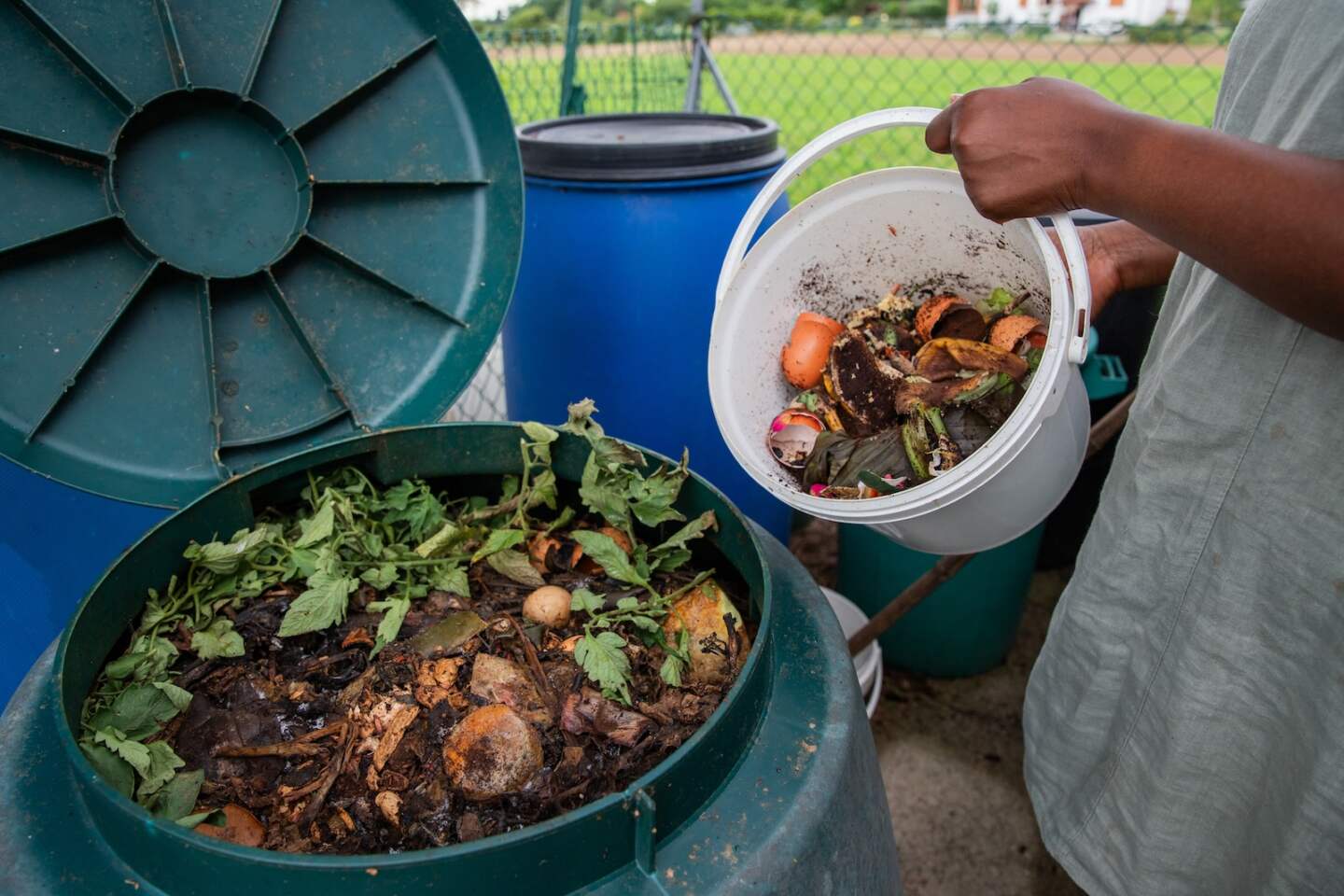
Leading nations have already demonstrated that food waste is a solvable problem. France, for example, made global headlines in 2016 when it became the first country to ban supermarkets from throwing away edible food, instead requiring them to donate it. South Korea has implemented a national food waste recycling program that diverts 95% of its food waste from landfills.
Canada can and should become a leader in food waste reduction. The opportunity is immense: reducing food waste would lower greenhouse gas emissions, strengthen food security, and generate significant economic savings. With the right policies in place, Canada can build a more sustainable and resilient food system while positioning itself as a global innovator in this space.
What Canada Must Do Now: Policy Solutions for Immediate Impact
To move from lagging behind to leading the world, Canada must take the following policy actions:
1. Mandate Food Waste Reporting and Reduction Targets: Require large food businesses, grocery chains, and institutions to track and publicly report their food waste, with clear reduction targets. Transparency will drive accountability and spark innovation. This should include standardized measurement protocols and progressive reduction benchmarks—starting with a 30% reduction target by 2030 in alignment with UN Sustainable Development Goals.
“Require large food businesses, grocery chains, and institutions to track and publicly report their food waste, with clear reduction targets.”
2. Standardize Date Labelling: End confusion over “best before” and “expiry” dates that lead to unnecessary waste. The federal government must create consistent date labelling standards across all provinces that clearly distinguish between quality indicators and safety concerns. This should include adopting a dual-date system with separate indicators for “Best if Used By” (quality) and “Use By” (safety), alongside public education campaigns explaining the difference.
3. Ban Large-Scale Edible Food Disposal: Follow France’s example by prohibiting supermarkets and large food retailers from throwing away edible food, instead requiring formal partnerships with food rescue organizations. These partnerships would involve regular pickup schedules, standardized food safety protocols, and reporting requirements to ensure accountability and maximize the amount of food rescued.
“Provide targeted funding to expand food rescue networks, build regional redistribution hubs, and improve logistics for perishable food transportation to ensure surplus food reaches those in need quickly and efficiently.”
4. Invest in Food Rescue Infrastructure: Provide targeted funding to expand food rescue networks, build regional redistribution hubs, and improve logistics for perishable food transportation to ensure surplus food reaches those in need quickly and efficiently. This should include dedicated grants for food recovery organizations for inventory and logistics management technology, refrigerated vehicles, and cold storage facilities. A national network of strategically located food hubs would bridge the gap between surplus food sources and communities in need, especially in underserved rural and remote areas.
Policy Leadership Is Needed Now
Canada must decide whether to continue with a fragmented, wasteful food system or take decisive policy action to ensure surplus food is used, not wasted. With thoughtful legislative measures, we can reduce environmental harm, strengthen food security, and position Canada as a leader in the global fight against food waste.
The economic case is clear—food waste costs the Canadian economy over $50 billion annually. By implementing these policies, we can redirect billions toward productive economic activity while addressing food insecurity that affects millions of Canadians.
“The economic case is clear—food waste costs the Canadian economy over $50 billion annually.”
Policymakers must act now—because good food belongs on plates, not in landfills.
-
 To Feed the Future, Canada Must Broaden Its Definition of Food Innovation
 Tenille Bonoguore
Strategic Initiatives Lead
Arrell Food Institute
Tenille Bonoguore
Strategic Initiatives Lead
Arrell Food Institute
 Pauline Cripps
Community Food Lead
Arrell Food Institute
Pauline Cripps
Community Food Lead
Arrell Food Institute
 Evan Fraser
Executive Director
Arrell Food Institute
Evan Fraser
Executive Director
Arrell Food Institute
-
 On World Hunger Day, Hunger Is Still a Policy Choice
 Nick Saul
Co-Founder & CEO
Right to Food
Nick Saul
Co-Founder & CEO
Right to Food
-
 Canada Now Has Commercially Viable Food Security Solutions. Will We Scale Them Here?
 Benjamin Feagin Jr.
CEO
AgriTech North
Benjamin Feagin Jr.
CEO
AgriTech North